Column · @mycannabisconcentratestalk
Why Cannabis Concentrates Are Changing How We Consume the Plant
I have been working with cannabis for over a decade, and I can honestly say that no development has shifted the market as quietly and completely as the rise of cannabis concentrates. When I first started, a gram of decent hash was a rare find, and anything labelled "live resin" was something you only heard about from West Coast friends. Now, walk into any decent dispensary and you will see cases full of jars, syringes, and slabs of amber, gold, and cream. The category has grown so fast that many consumers are still catching up on what they are actually buying. Let us break down the landscape without the hype.
The Spectrum of Texture and Purity
Cannabis concentrates are not a single product; they are a family of extracts that range from semi-solid to glass-like. The texture tells you a lot about the extraction method and the intended use. Shatter, for instance, is a brittle, translucent extract that fractures cleanly when you tap it. It is usually made through hydrocarbon extraction, often using butane or propane as a solvent, which pulls out the cannabinoids and terpenes before the solvent is purged. The result is a product that is stable at room temperature, easy to handle, and potent. Shatter was one of the first modern concentrates to go mainstream, and it still has a loyal following because it delivers a clean, fast-acting effect without the gooey mess of some other forms.
Budder sits at the opposite end of the texture spectrum. It is whipped, aerated, and has a consistency closer to softened butter or frosting. The whipping process oxidises some of the cannabinoids, which can mellow the high slightly, but the trade-off is a smooth, easy-to-dose product that works beautifully in a dab rig or a vape pen. I have seen budder become the go-to for people who want the potency of a concentrate but with a little more forgiveness on the temperature side. You do not scorch it as easily as you might a thin film of live resin.
Live Resin and the Freeze-Dried Revolution
If you want to taste the plant as close to harvest as possible, live resin is where you should look. The process starts with fresh-frozen cannabis, not dried and cured material. The plant is frozen immediately after harvest, then agitated in ice water to separate the trichomes. That is the classic ice water hash method, which produces a clean, pale powder. From there, the hash can be pressed into hash rosin, or further processed into live resin using gentle heat and pressure. The key is that the plant material is never dried, so the terpenes remain intact, and the final product retains a flavour profile that rivals the living plant.
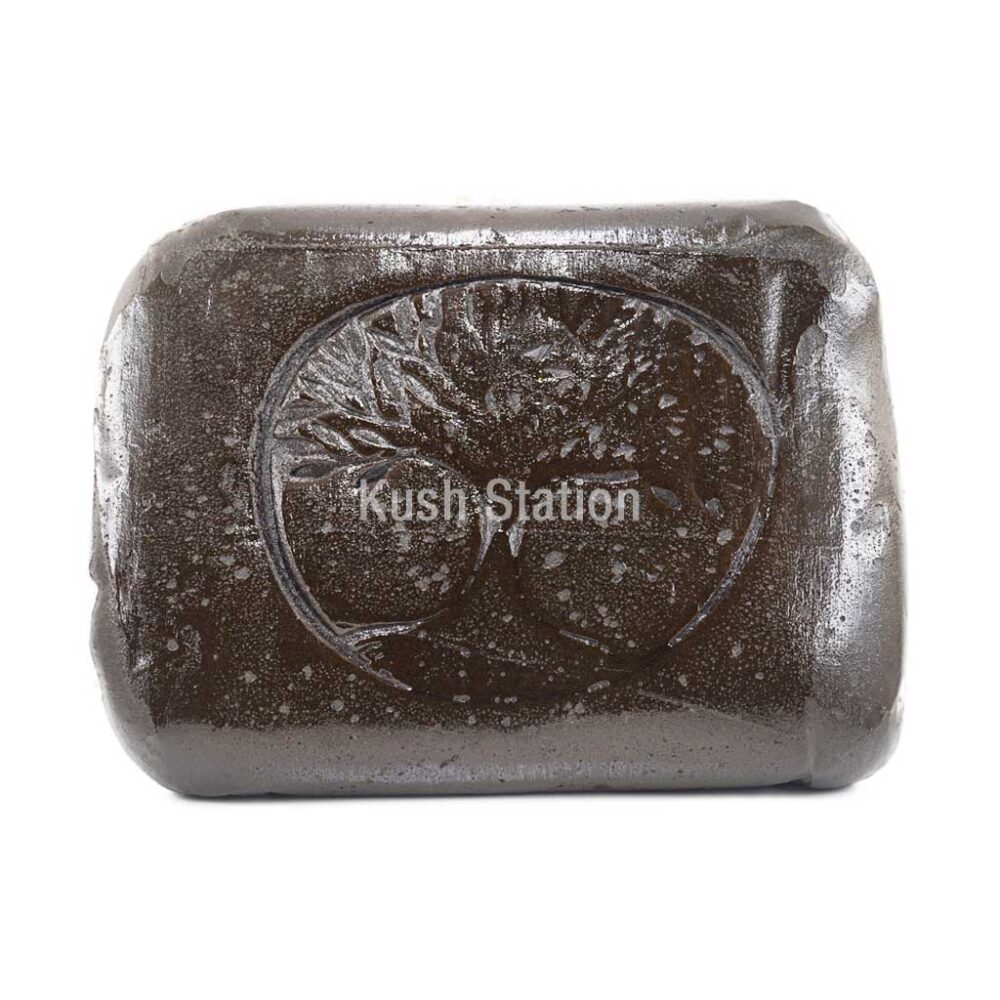
I remember the first time I tried a high-quality live resin from a reputable producer. The aroma was not just pine or lemon; it had this green, almost chlorophyll note that reminded me of crushing fresh leaves between my fingers. That is the signature of a well-made live resin. It is not for everyone. Some people prefer the aged, cured flavours of a classic hash or a solvent-extracted BHO. But if you are chasing the full expression of a strain, live resin is hard to beat.
Solventless vs. Hydrocarbon Extraction: The Great Divide
One of the most important distinctions in the concentrates world is between solventless extraction and methods that use hydrocarbons. Solventless techniques rely on mechanical separation, usually through pressure and temperature. Hand-pressed rosin is the simplest example. You take flower or hash, wrap it in a fine mesh bag, and press it between heated plates. The oil flows out, leaving the plant material behind. The result is pure, unadulterated, and carries the full cannabinoid profile of the starting material. There is no concern about residual solvents, and the flavour is direct and honest.
On the other hand, hydrocarbon extraction, often using butane or propane in a closed-loop system, can produce higher yields and extremely pure isolates. BHO, or butane hash oil, is a common product of this method. The solvent strips the trichomes efficiently, and then it is purged under vacuum and heat. A well-purged BHO is safe and potent, but the process requires skill. A bad purge leaves a faint chemical aftertaste that ruins the experience. That is why many connoisseurs prefer solventless extracts for flavour, even if they cost more per gram.
Isolates and the Pursuit of Precision
The push toward precision has led to products like CBD isolate and THC-A. These are not for the recreational user who wants a balanced high. They are tools for specific therapeutic or experimental use. CBD isolate is a crystalline powder that contains virtually no THC, allowing someone to dose cannabidiol with surgical accuracy. THC-A, the acidic form of THC found in raw plant material, is a different story. It is not psychoactive until it undergoes decarboxylation, usually through heat. Some advanced users experiment with THC-A as a way to control the onset and duration of effects, but it remains a niche product. For the average person buying cannabis concentrates, isolates are something to be aware of but not necessarily to pursue.
Hardware Matters: From Quartz Banger to Enail
You cannot talk about concentrates without talking about how to use them. The difference between a good hit and a burnt, harsh one often comes down to equipment and temperature control. A dab rig with a quartz banger is the classic setup. You heat the banger with a torch, let it cool to the right temperature, and then apply your concentrate. The trick is knowing the cool-down time. Too hot and you vaporise the terpenes instantly, losing flavour and creating a harsh vapour. Too cold and the material pools without fully vaporising. I have wasted more good live resin on bad temperature guesses than I care to admit.
That is why many experienced users have moved to an enail, an electronic nail that maintains a set temperature. With an enail, you dial in your target temperature, wait for it to stabilise, and dab consistently every time. The improvement in flavour and efficiency is immediate. For people who do not want a full rig setup, a vape pen with a ceramic coil offers a portable alternative. Ceramic coils heat evenly and resist degradation, making them a solid choice for budder or shatter on the go. The trade-off is that you cannot load as much material, and the vapour path is shorter, so you lose some of the nuance you get from a water-filtered dab rig.
Terpenes and the Flavour Chase
Terpenes are the aromatic compounds that give each strain its distinctive smell and taste. In concentrates, terpenes become the star of the show because the plant material is stripped away, leaving the essential oils concentrated. A good live resin or hand-pressed rosin can taste like lemon zest, diesel, pine, or even tropical fruit, depending on the strain. But terpenes are volatile. They degrade with heat, light, and oxygen. That is why proper storage matters. Keep your concentrates in a cool, dark place, and avoid opening the jar more than necessary. I have seen a jar of hash rosin lose half its aromatic intensity in a week because someone left it on a sunny windowsill.
Potency and the Cannabinoid Profile
When people ask me about the strength of cannabis concentrates, I point them to the cannabinoid profile, not just the THC percentage. A product might test at 80% THC but have very little CBD, CBG, or other minor cannabinoids. That creates a one-dimensional high that can feel overwhelming or short-lived. A more balanced profile, even at 60% THC, can produce a fuller, more nuanced experience because the other cannabinoids modulate the effect. This is especially true for solventless extracts, which tend to preserve a wider range of compounds than some solvent-based methods. If you are new to concentrates, start with a product that has a known profile and a lower potency, and work your way up. The difference between 60% and 80% THC is not just a number; it changes how the experience feels.
The Future Is Still Unfolding
The concentrates category is still young, and new techniques are emerging every year. We are seeing more solventless options, better temperature control devices, and a deeper understanding of how extraction methods affect the final product. Whether you prefer the snap of a shatter, the spread of a budder, or the purity of a live resin, the most important thing is to find what works for your setup and your palate. Cannabis concentrates offer a depth of flavour and effect that flower alone cannot match, but they also demand a little more knowledge and care. That is part of the fun. The more you learn, the better your sessions become.